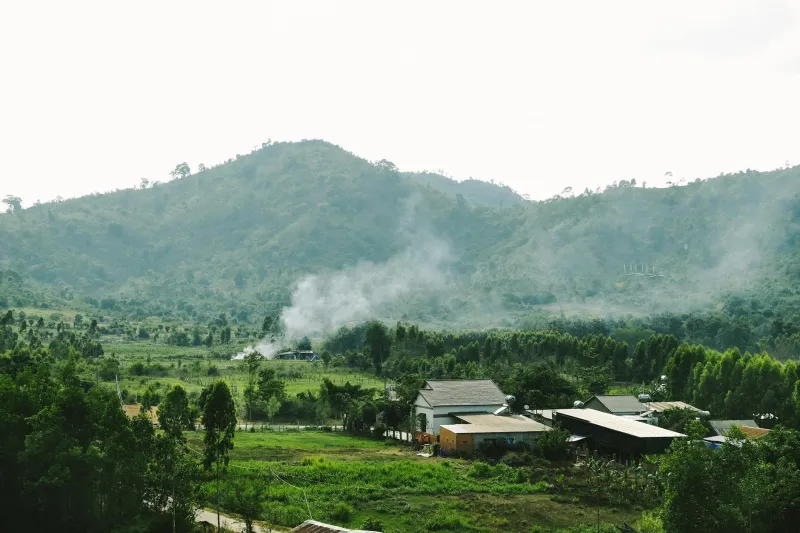
When Sarah Chen's landlord hiked her Clapham studio rent to £1,800 a month, she did what any sensible software developer would do: she Googled "free land Scotland" and found herself staring at a Highland Council website offering actual plots of earth for the princely sum of nothing.
Six months later, she's typing code from a converted stone cottage overlooking Loch Ness, paying £400 monthly for a two-bedroom house with a garden larger than most London parks. Her story isn't unique – it's part of a quiet revolution reshaping Scotland's demographic map.
The Great Scottish Land Grab
Scotland's rural depopulation crisis has reached a tipping point. Between 2001 and 2021, the Highlands lost 8% of its working-age population whilst Edinburgh and Glasgow swelled. Young families fled for jobs, leaving behind ageing communities and shuttered schools.
Enter the pandemic's silver lining: remote work normalisation. Suddenly, Scottish councils found themselves holding the perfect hand – vast empty spaces, affordable housing, and a generation of workers no longer tethered to city desks.
The Isle of Rum offers building plots for £10,000 (yes, you read that correctly). Highland Council's "Highland Welcome" scheme provides grants up to £25,000 for families relocating to specific postcodes. Argyll and Bute Council throws in business startup support worth £15,000.
"We're not just giving away land," explains Morag MacLeod from Highland Council's population strategy team. "We're investing in community futures. Every family that moves here keeps a school open, supports local shops, and brings skills our economy desperately needs."
The Digital Divide Myth
Forget your preconceptions about Highland broadband involving carrier pigeons and prayer. Scotland's rural connectivity has undergone a quiet revolution.
The R100 programme has delivered superfast broadband to 95% of Scottish premises, including some remarkably remote locations. Inverness enjoys faster average speeds than Manchester. Even the Outer Hebrides boast fibre connections that would shame many London postcodes.
Tom and Jessica Wright discovered this firsthand when they relocated from Birmingham to Applecross – a peninsula so remote it requires a mountain pass journey that regularly features on "Britain's most dangerous roads" lists.
"Our internet is actually more reliable here than it was in Edgbaston," laughs Tom, who runs a digital marketing agency from their converted crofthouse. "Plus, when Teams calls freeze, I'm looking at red deer rather than ring roads."
The Reality Check
Before you start fantasising about Highland life, consider the practical realities that estate agents' Highland brochures don't mention.
Winter means winter. Not the mild, damp London version, but proper, character-building cold that lasts from October through April. Heating costs can reach £300 monthly even in well-insulated properties.
Shopping requires military-level planning. The nearest Tesco to Applecross is 67 miles away. Online delivery often doesn't exist, and when it does, expect surcharges that would make a City banker wince.
School choice becomes school singular. Many Highland communities support just one primary school, and secondary education might involve weekly boarding arrangements for remote families.
Healthcare access varies dramatically. GP appointments in Skye might require 40-mile journeys, whilst some islands rely on visiting doctors and helicopter emergency services.
Who's Actually Making the Move
The Successful Relocators
Data from Highland Council reveals interesting migration patterns. The most successful Highland migrants share common characteristics:
- Tech workers aged 28-45 with established remote work arrangements
- Creative professionals seeking lower overheads and inspiration
- Families with school-age children attracted by smaller class sizes and outdoor education opportunities
- Early retirees cashing in southern property equity for Highland lifestyle upgrades
"We're seeing a lot of thirty-something couples who've realised they can't afford London family life," notes MacLeod. "They're trading commuter stress for community involvement, and many never look back."
The Money Question
The financial mathematics are compelling. Average Highland house prices sit around £180,000 compared to £735,000 in London. Even accounting for lower local wages, the purchasing power differential is staggering.
Consider the Chen family budget comparison:
London costs (monthly):
- Rent: £1,800
- Council tax: £180
- Transport: £250
- Childcare: £1,200 Total: £3,430
Highland costs (monthly):
- Mortgage: £400
- Council tax: £95
- Fuel/transport: £200
- Childcare: £400 Total: £1,095
That £2,335 monthly difference funds a lifestyle upgrade that includes weekend skiing, sea kayaking, and children who think traffic jams involve sheep.
The Community Factor
Perhaps the most underestimated aspect of Highland migration is community integration. Rural Scottish communities operate differently from anonymous urban environments.
"In London, I knew my neighbours by their Amazon delivery frequency," jokes Wright. "Here, I know their names, their dogs' names, and usually what they're cooking for dinner."
Community involvement isn't optional – it's essential for integration and often surprisingly rewarding. From volunteer coastguard duties to school fundraising committees, Highland life demands participation.
Making the Leap
Successful Highland migration requires careful planning. Start with extended visits during different seasons. Winter in February feels very different from summer in July.
Research local employment opportunities beyond your remote work. Many Highland migrants supplement income with local part-time work, from tourism guiding to craft production.
Investigate school catchment areas thoroughly. Highland education can be excellent, but options are limited.
Budget for unexpected costs. Generator backup power, winter tyres, and higher insurance premiums are Highland realities.
The Verdict
Scotland's rural repopulation initiatives represent genuine opportunities for lifestyle transformation, but they're not universal solutions. Success depends on realistic expectations, thorough preparation, and genuine enthusiasm for community involvement.
For remote workers feeling priced out of southern England, Highland Scotland offers compelling alternatives. Just remember: you're not buying into a lifestyle Instagram fantasy – you're joining communities that need your skills, energy, and long-term commitment.
As Sarah Chen puts it: "I miss decent curry and 24-hour shops. But I don't miss anxiety, commuter misery, or paying London prices for London problems. Some trade-offs are worth making."