One Euro Dreams: The Reality Behind Europe's Bargain Property Schemes for British Buyers
One Euro Dreams: The Reality Behind Europe's Bargain Property Schemes for British Buyers
Scroll through Instagram or TikTok these days, and you'll inevitably stumble across some sun-kissed influencer clutching keys to a "€1 house in Italy." The narrative is always the same: escape dreary Britain, snap up a Mediterranean bargain, and live your best dolce vita. But behind the glossy social media posts lies a more complex reality that deserves proper examination.
The European Fire Sale Phenomenon
Across Europe, dozens of towns and regions are practically giving away properties to combat population decline and economic stagnation. Sicily's Sambuca di Sicilia kickstarted the trend in 2019, followed by communes in France, villages in Spain, and even remote corners of Switzerland.
The concept is straightforward: local authorities sell derelict or abandoned properties for symbolic amounts (typically €1-€10) to buyers who commit to renovating them within a specified timeframe. For British residents facing sky-high property prices—where the average house costs over £290,000—these schemes appear like winning the lottery.
But here's where the Instagram fantasy meets cold, hard reality.
The Hidden Costs That Bite
Sarah Mitchell, a graphic designer from Manchester, discovered this firsthand when she purchased a €1 house in rural Abruzzo in 2021. "The house cost me one euro, but the deposit alone was €5,000," she explains. "Then came the surveyor fees, legal costs, and the reality of what 'renovation' actually meant."
Most schemes require substantial deposits (ranging from €2,000-€20,000) as security against renovation commitments. Buyers typically have 2-3 years to complete works, with penalties for non-compliance including forfeiture of the deposit.
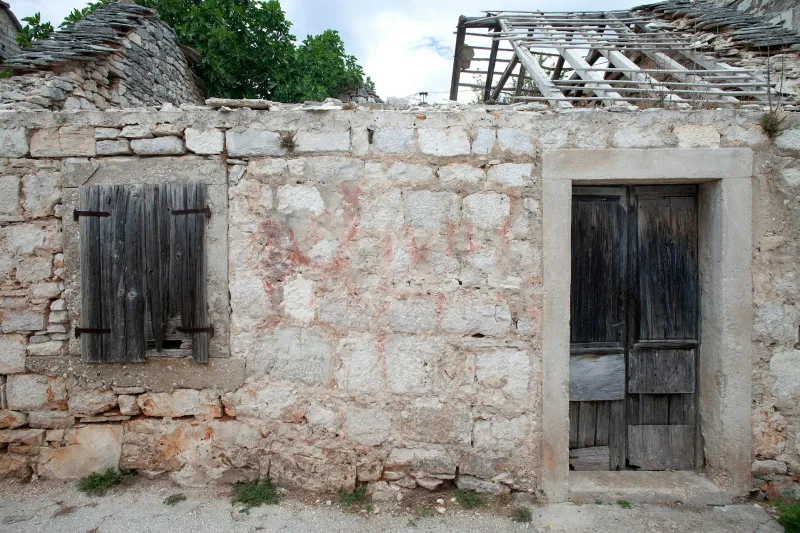
The renovation costs themselves can be eye-watering. Properties sold through these schemes are often centuries-old stone structures requiring complete overhauls—new roofs, plumbing, electrical systems, and structural work. Conservative estimates suggest €50,000-€150,000 for basic habitability, though costs frequently spiral higher.
Bureaucratic Battles and Language Barriers
Navigating Italian, French, or Spanish bureaucracy whilst renovating a crumbling farmhouse presents challenges that social media rarely mentions. Building permits, heritage restrictions, and local planning regulations can delay projects for months or years.
James and Helen Thompson from Surrey learned this lesson whilst renovating their €1 purchase in Sicily's Mussomeli. "We spent eight months just getting permits sorted," James recalls. "The language barrier was massive, and every official seemed to want different documentation. Our solicitor bills alone exceeded €8,000."
Many British buyers underestimate the importance of hiring local professionals—architects, builders, and legal representatives familiar with regional regulations. These costs, whilst essential, quickly accumulate.
Success Stories: When It Actually Works
Despite the challenges, some British expats have successfully navigated these schemes. Mark Williams, a retired teacher from Cardiff, completed his Sicilian renovation in 2022 and now runs a bed-and-breakfast.
"The key is realistic expectations and proper budgeting," Mark advises. "Don't expect a quick flip or Instagram-worthy transformation. This is a long-term commitment requiring significant investment beyond the purchase price."
Mark's total expenditure reached €120,000 over three years, but his property is now valued at approximately €180,000—a reasonable return considering the lifestyle benefits.
The Brexit Factor
Post-Brexit regulations have complicated matters for British buyers. EU property purchases now involve additional paperwork, and extended stays require proper visa arrangements. The 90-day tourist limit means British renovators must either complete works quickly or secure appropriate residency permits.
Tax implications also merit consideration. British residents purchasing EU property may face capital gains tax in both jurisdictions, whilst rental income requires declaration to HMRC.
Alternative Schemes Worth Considering
Beyond the famous Italian programmes, several other European schemes target foreign buyers:
France's Village Revival Initiative offers properties from €5,000 in rural communes, often with less stringent renovation requirements.
Spain's Repopulation Projects in regions like Asturias and Galicia provide grants alongside cheap property to attract young families.
Portugal's Interior Towns Programme combines affordable housing with tax incentives for new residents.
Each scheme has unique requirements and benefits, making thorough research essential.
Making an Informed Decision
For British residents genuinely considering these schemes, several factors deserve careful evaluation:
Financial Reality Check: Budget at least €80,000-€150,000 total, including purchase, renovation, legal fees, and contingencies.
Time Commitment: Expect 2-4 years from purchase to completion, with regular site visits required.
Local Integration: Success often depends on engaging with local communities and understanding regional culture.
Professional Support: Invest in quality legal and architectural advice from day one.
The Bottom Line
Europe's €1 house schemes represent genuine opportunities for British buyers willing to commit time, money, and effort to long-term projects. However, they're not the instant lifestyle upgrades portrayed on social media.
For those seeking a complete life change with renovation skills, financial reserves, and realistic expectations, these schemes can provide pathways to European living at below-market prices. But for anyone expecting a quick bargain or easy transformation, the reality will likely disappoint.
The dream of swapping Britain for a Mediterranean bargain remains achievable—just ensure you understand the true price before signing on the dotted line.